

The integration of modular solutions in architectural and interior design projects has revolutionized the way spaces are conceived and executed, especially in urban luxury markets such as South and Central Mumbai. Modular kitchens and interiors offer unparalleled customization, efficiency, and aesthetic appeal, but managing these projects requires a precise and focused approach to ensure smooth delivery and client satisfaction. This article distills the top five project management tips architects can leverage to optimize their use of modular solutions and deliver exceptional outcomes.
1. Foster Early Collaboration with Modular Partners
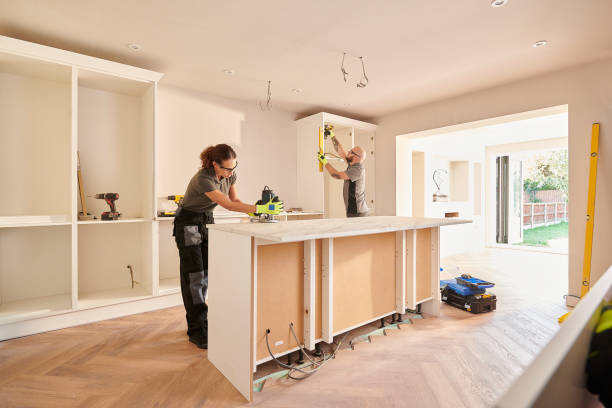
Successful modular projects start well before the first cabinet is installed. Early and sustained collaboration with certified modular manufacturers such as Platinum Modular Solutions is critical. Engaging suppliers during the initial design phases allows for better alignment on project goals, material specifications, technical feasibility, and manufacturing timelines.
In Mumbai’s luxury segment, where architectural requirements are often non-standard—featuring heritage constraints, compact spaces, or bespoke millwork—early collaboration helps anticipate and resolve challenges. According to a 2024 survey by the American Institute of Architects India chapter, architects who engaged modular partners early reported 30% fewer schedule delays and a 40% reduction in onsite rework incidents.
Practical Step: Schedule joint workshops with your modular solutions provider to reconcile architectural intentions with practical manufacturing capabilities, ensuring design integrity and manufacturability from the start.
2. Utilize Advanced Visualization and 3D Modelling Tools

Precision in modular kitchen and interior projects hinges on clarity and alignment between stakeholders. Using 3D visualization and BIM (Building Information Modelling) tools improves communication and reduces ambiguity. These tools allow architects to virtually review layouts, verify measurements, and coordinate hardware integration.
Especially for complex layouts typical in South and Central Mumbai—where space optimization is paramount—3D walkthroughs enable architects, clients, and suppliers to experience the design before manufacturing. This pre-emptive clarity cuts change orders and increases client confidence.
Recommended Practice: Leverage your modular supplier’s 3D design and virtual reality walkthrough tools extensively during client presentations and project reviews to facilitate informed decision-making.
3. Rigorously Monitor Project Timelines and Milestones
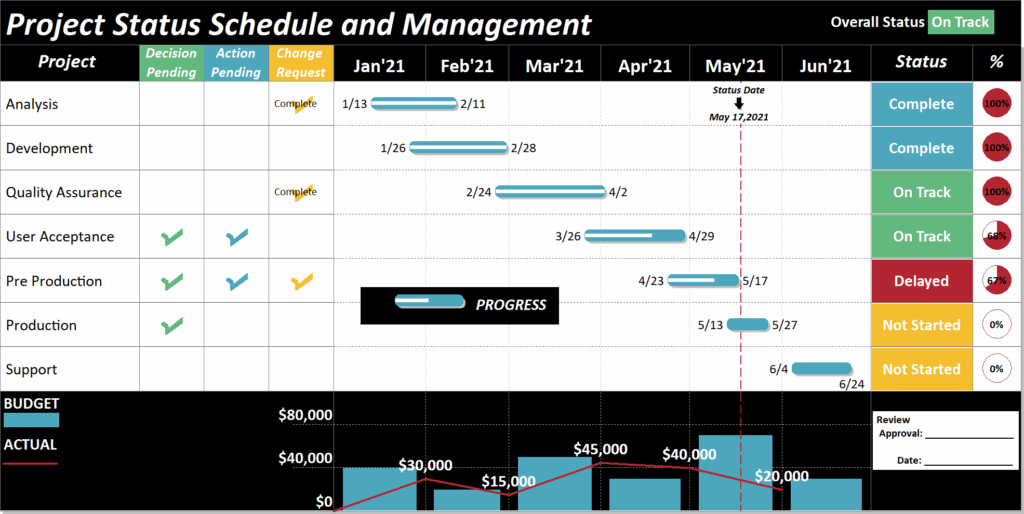
Time is of the essence in premium and commercial projects where delays can cascade into significant cost overruns and client dissatisfaction. Modular projects benefit from predefined manufacturing timelines and streamlined installation protocols, but adherence must be monitored closely.
Employ project management software or dashboards to track milestone completions such as design finalization, manufacturing start and end, delivery schedules, and onsite installation phases. Transparency with clients about these timelines builds trust and manages expectations effectively.
Based on experience from Platinum Modular Solutions’ projects in Mumbai, adherence to timeline tracking has improved on-time delivery rates by over 25%.
4. Prioritize Quality Checks at Every Stage

Modular interiors are predicated on precision craftsmanship, which requires rigorous quality assurance from raw materials through finished assembly. Architects must insist on quality checkpoints coordinated with modular partners, including factory inspections, hardware certification (such as Blum fittings), and onsite verification.
In Mumbai’s competitive luxury market, such diligence prevents structural and functional failures that threaten client satisfaction and hard-won reputations.
Actionable Tip: Define and document quality inspection protocols in contracts with suppliers and execute random audit checks throughout the project.
5. Establish Efficient Communication Channels

Effective communication among architects, modular solution providers, clients, and contractors is a linchpin for project success. Utilizing dedicated channels such as project management platforms (Asana, Trello), regular update meetings, and instant messaging groups ensures quick issue resolution and coordination.
In high-density Mumbai projects, where multiple stakeholders work simultaneously in sometimes constrained spaces, reducing communication lag mitigates errors and rework.
Conclusion
The rise of modular solutions has empowered architects with remarkable design flexibility and project efficiency, but demands disciplined project management to unlock its full benefits. Strategies such as early partner collaboration, leveraging 3D visualization, stringent timeline and quality control, and streamlined communication form the foundation of successful modular projects.
Premium localities like South and Central Mumbai demand this rigor, where architecture and interior projects must meet exacting aesthetic and operational standards. Following these tips helps architects not only minimize risk but also enhance client satisfaction, reputation, and profitability in the competitive luxury interiors space.